Media Kit Table of Contents
Press contacts
Briana Schweizer
CEO & Co-founder
Lisbeth Merrill, Esq.
COO, General Council & Co-founder
About Virtuous Vittles
Virtuous Vittles delivers delicious, nutritious 100% plant-based meals for dogs and cats, giving guardians a choice that is Good for Every Living Being on the Planet™.
Virtuous Vittles makes delicious, nutritious 100% plant-based meals for dogs and cats, formulated by a board-certified veterinary nutritionist to support long-term health while reducing the environmental and ethical impact of conventional pet food. Our mission is to provide human-grade, high-protein meals dogs and cats genuinely enjoy eating. Grounded in evidence-based nutrition and a commitment to do less harm, Virtuous Vittles is built on the belief that nourishing our companions can be Good for Every Living Being on the Planet™.
Stats & Facts
Why our pet food choices matter
- A bigger climate impact than most people realize and protein choice is the single biggest driver of pet food’s environmental footprint, outweighing packaging, transportation, and manufacturing efficiency
- On average, a medium-sized dog (~50 lbs) consumes the same amount of meat each year as an American adult —about 275 pounds
- Dogs and cats are a major part of the total food ecosystem in the U.S. consuming an estimated 25% of all animal-derived calories
- Pet food is a hidden emissions source, generating an estimated 64 million tons of CO₂-equivalent emissions annually in the U.S. alone—comparable to the emissions of 13.6 million cars
- Even small dogs can make a difference. Switching a single 10-lb chihuahua from conventional canned food to Virtuous Vittles can save 3–4 tons of CO₂ per year—the equivalent of flying around the world.
Based on UCLA research and peer-reviewed findings in PLOS ONE, with additional insights from TED Ideas. Sources:
The environmental sustainability of meat-based versus vegan pet food
Environmental impacts of food consumption by dogs and cats | PLOS One
The truth about the environmental paw print of dogs (and cats) — and how to reduce it
Animal Health, Biology & Longevity
Dogs are nutritional omnivores, not carnivores
Genetic research shows dogs evolved multiple copies of genes related to starch digestion and carbohydrate metabolism, distinguishing them from wolves.
Source: The genomic signature of dog domestication reveals adaptation to a starch-rich diet | Nature
Well-formulated plant-based diets support normal health markers in dogs
Peer-reviewed studies found no significant differences in key health indicators when dogs were fed nutritionally complete plant-based diets.
Source: Domestic dogs maintain clinical, nutritional, and hematological health outcomes when fed a commercial plant-based diet for a year – PubMed
Dogs fed nutritionally complete plant-based diets may live longer
A large owner-reported study of over 1,400 dogs found fewer health disorders and on average a ~1.5 years longer lifespan compared to dogs fed meat-based diets.
Source: Owner perception of health of North American dogs fed meat- or plant-based diets – PubMed
Plant-based and meat-based dog diets can have comparable nutrient digestibility
A controlled, in-home feeding trial found no significant differences in apparent digestibility of protein, fat, or dry matter between nutritionally matched plant-based and meat-based diets.
Source: Extruded diet macronutrient digestibility: plant-based (vegan) vs. animal-based diets in client-owned healthy adult dogs and the impact of guardian compliance during in-home trials- Frontiers
Plant-based diets can maintain adequate vitamin D status in dogs
A randomized trial demonstrated that vitamin D₂ effectively maintained serum vitamin D concentrations and bone mineralization in adult dogs fed a plant-based diet over three months.
Source: Efficacy of vitamin D2 in maintaining serum total vitamin D concentrations and bone mineralisation in adult dogs fed a plant-based (vegan) diet in a 3-month randomised trial – PubMed
Most health risks identified in dogs are linked to poor formulation, not ingredient origin
Comparative analyses show nutritional inadequacies occur in both conventional and plant-based commercial dog foods, reinforcing that formulation quality matters more than protein source.
Source: A Comparison of Key Essential Nutrients in Commercial Plant-Based Pet Foods Sold in Canada to American and European Canine and Feline Dietary Recommendations – Animals
Veterinary consensus supports plant-based diets for dogs when properly formulated
Systematic reviews conclude that plant-based diets can be safe for dogs when complete, balanced, and appropriately supplemented, emphasizing professional formulation and oversight.
Source: The Impact of Vegan Diets on Indicators of Health in Dogs and Cats: A Systematic Review – Veterinary Sciences
Human Health & Longevity
People who eat predominantly plant-based diets have a 25% lower risk of death from all causes compared to those with diets high in animal products.
Source: Association Between Plant and Animal Protein Intake and Overall and Cause-Specific Mortality | Lifestyle Behaviors | JAMA Internal Medicine
Global data show that higher plant-based protein availability is associated with longer adult life expectancy and lower mortality.
Source: Associations between national plant-based vs animal-based protein supplies and age-specific mortality in human populations | Nature Communications- Nature
Plant-based diets are associated with significantly lower risk of heart disease, type 2 diabetes, and certain cancers— the three leading drivers of premature mortality in high-income countries.
Source: Vegetarian Dietary Patterns and Mortality in Adventist Health Study 2 | Lifestyle Behaviors | JAMA Internal Medicine
Environmental Impact of animal agriculture
American meat consumption is the highest in the world: 11 billion animals are slaughtered for human and companion consumption each year.
Source: u-s-meat-production-and-consumption
Land use: 35% of habitable land
Livestock production consumes about 77% of global agricultural land yet delivers only 18% of calories, dramatically amplifying land-use pressure
Source: If the world adopted a plant-based diet, we would reduce global agricultural land use from 4 to 1 billion hectares- Our World in Data
Water use: 25% of total water use
Animal-based proteins require significantly more freshwater than plant-based proteins. Producing 1 kilogram of beef can require approximately 15,000 liters of water, while common plant-protein sources need only 1,000 – 2,000 liters.
Source: The actual water footprint of meat – VEGANOK – EN
Biodiversity: 41% of global deforestation & 80% of Amazon deforestation
Animal agriculture is a leading driver of habitat destruction, deforestation, and species extinction, linking meat-based pet food to loss of biodiversity.
Sources: Global Assessment Report on Biodiversity and Ecosystem Services | IPBES secretariat
Drivers of Deforestation – Our World in Data
Options for keeping the food system within environmental limits | Nature
Packaging & Product Sustainability
Shelf-stable pet food reduces emissions associated with refrigeration and cold-chain transport. Retort-processed foods can be stored at ambient temperatures without preservatives.
Source: https://www.sciencedirect.com/science/article/abs/pii/S0959652621012014
Cardboard-based cartons (such as Tetra Recart®) reduce packaging weight and shipping emissions compared to cans and use a high proportion of renewable materials.
Source: https://www.tetrapak.com/en-us/sustainability/acting-for-sustainability/the-pack-that-protects/carbon-footprint
Virtuous Vittles packaging uses a 96:4 product-to-package ratio, reducing material waste and transportation emissions.
Market Context
The U.S. plant-based pet food market is projected to grow from approximately $8.35 billion in 2025 to about $17.7 billion by 2035, representing a compound annual growth rate (CAGR) of roughly 7.8%.
Source: https://www.futuremarketinsights.com/reports/united-states-plant-based-pet-food-market
Brand Story - Long
Virtuous Vittles was dreamt up by lifelong friends. Inspired by their love of all creatures, wild and tame, and concerns about conventional pet foods and their environmental impact.
It began with a contradiction its co-founders couldn’t ignore. Briana Schweizer had been plant-based since the age of twelve, yet when she adopted her dog, Xiggy to join the cats already in her home, she found herself bringing more meat into her kitchen every day — not for herself, but for the animals she loved most.
The few plant-based options available at the time barely interested Xiggy even as he eagerly begged for the plant-based meals Briana cooked for herself. That disconnect sparked a realization: plant-based pet food seemed designed for human ideals, not for what animals enjoy eating.
Briana began experimenting in her kitchen, learning what flavors and textures her companions truly loved while diving deeply into animal nutrition. As the idea grew, her longtime friend Lisbeth Merrill joined the effort. With her background in IP law and startups, Lisbeth helped galvanize the company. Their product development process was a bit unconventional –their kitchens became laboratories, and their companions, collaborators. Working with a board-certified veterinary nutritionist, they developed food that was delicious, and nutritionally complete.
From the start, Virtuous Vittles has been guided by a simple belief— guardians shouldn’t have to choose between nourishing their companions and staying true to their values.
Brand Story - Short
Virtuous Vittles was dreamt up by lifelong friends. Inspired by their love of all creatures, wild and tame, and concerns about conventional pet foods and their environmental impact. It began with a contradiction they couldn’t ignore. Briana Schweizer had been plant-based since the age of twelve, yet when she adopted her dog, Xiggy, to join the cats already in her home, she found herself bringing more meat into her kitchen every day. Existing plant-based options didn’t interest Xiggy even as he begged Briana’s own meals. Briana began experimenting in her kitchen, joined by longtime friend Lisbeth Merrill. Their kitchens became laboratories, and their companions, collaborators. Working with a board-certified veterinary nutritionist, they formulated foods guided by a simple belief— guardians shouldn’t have to choose between nourishing their companions and staying true to their values.
Company Overview
Virtuous Vittles was founded to rethink one of the most overlooked parts of the food system— what we feed our companion animals. While most discussions about sustainable and healthy eating focus on human diets, pet food remains a major source of meat consumption with real consequences for animal welfare, environmental impact, and long-term health. Virtuous Vittles addresses this challenge with evidence-based, plant-powered nutrition formulated specifically for dogs’ biological needs.
The company was created by lifelong friends who recognized a gap between the values many guardians hold and the choices offered by conventional pet foods. By prioritizing taste, nutritional rigor, and accessibility from the start, the company set out to demonstrate that plant-based pet food can support dogs’ health, reduce harm to other animals, and make climate-conscious choices easier — without asking guardians to compromise.
Product Overview
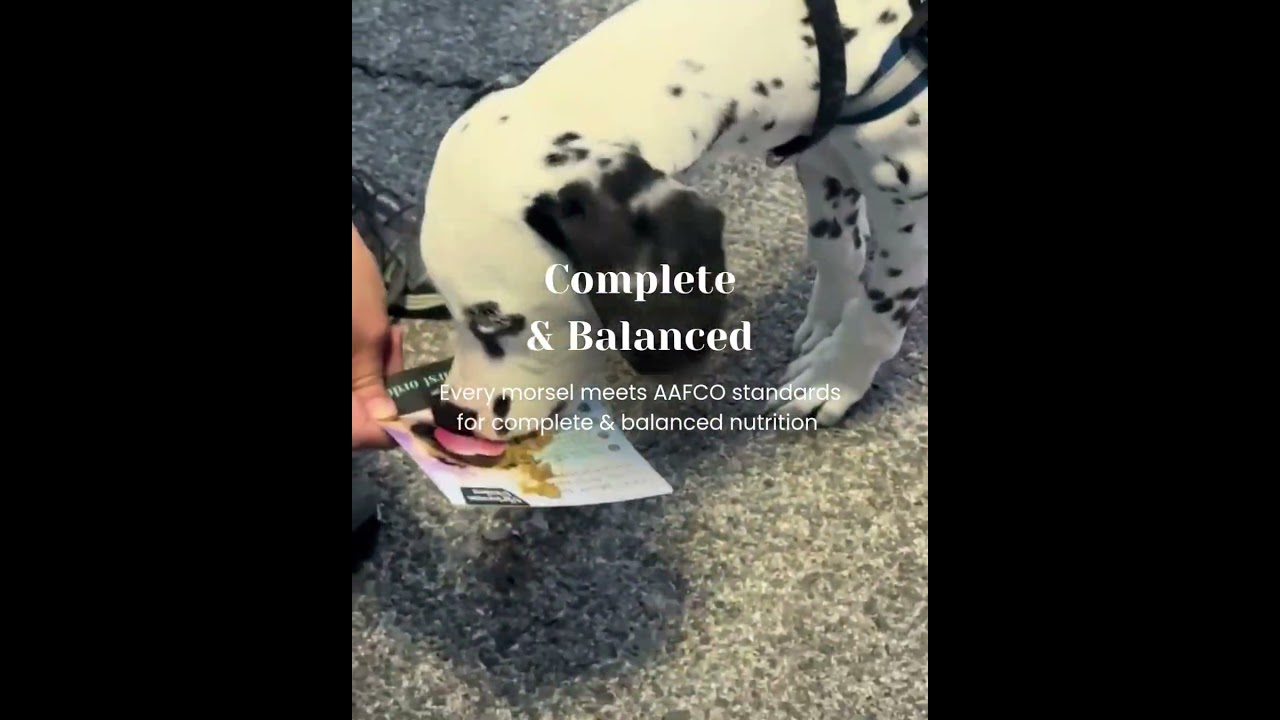
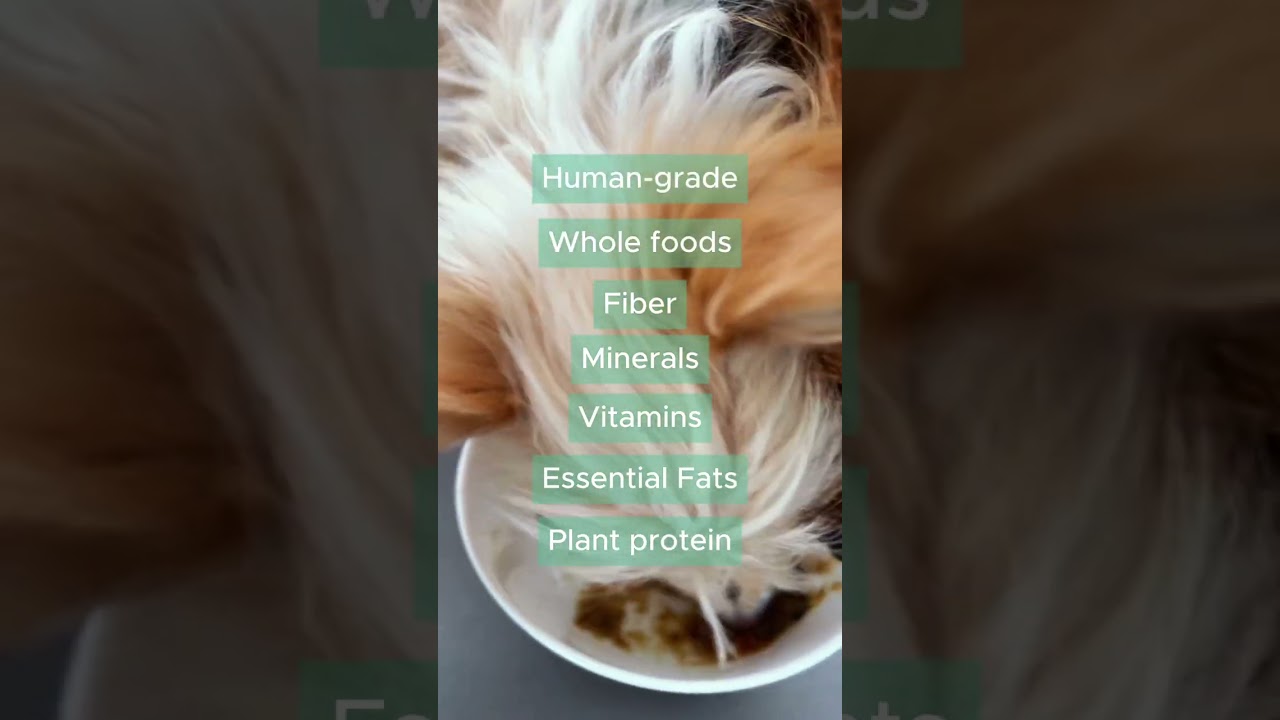
Virtuous Vittles offers 100% plant-based, complete and balanced meals for dogs and cats, made in a first-on-the-market morsels in gravy texture. Each recipe is crafted with human-grade, whole-food ingredients, formulated by a board-certified veterinary nutritionist, and designed to meet or exceed AAFCO nutritional guidelines.
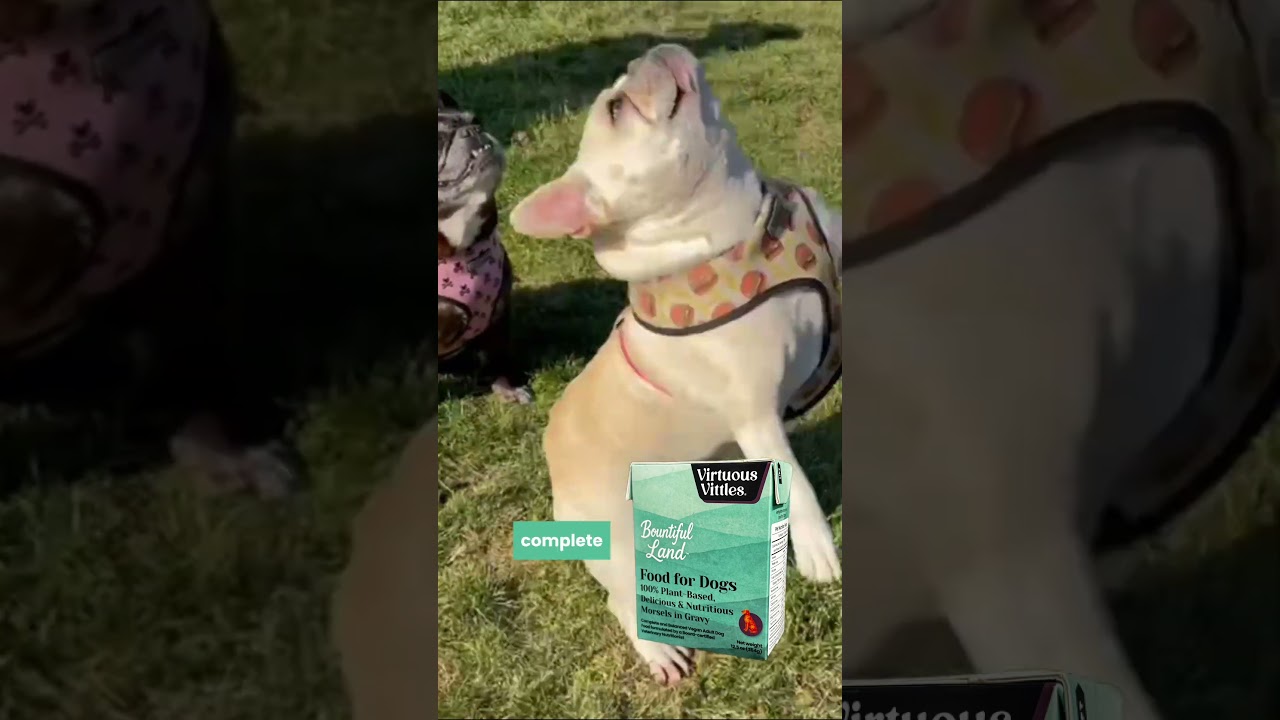
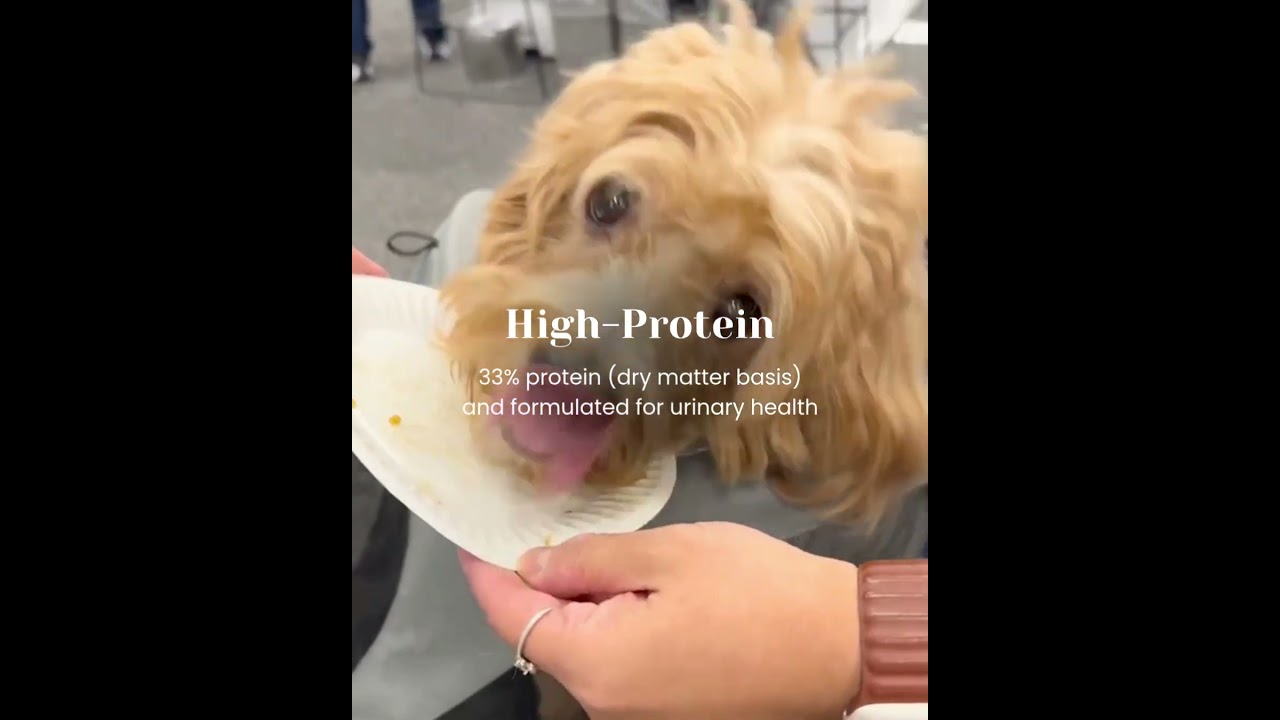
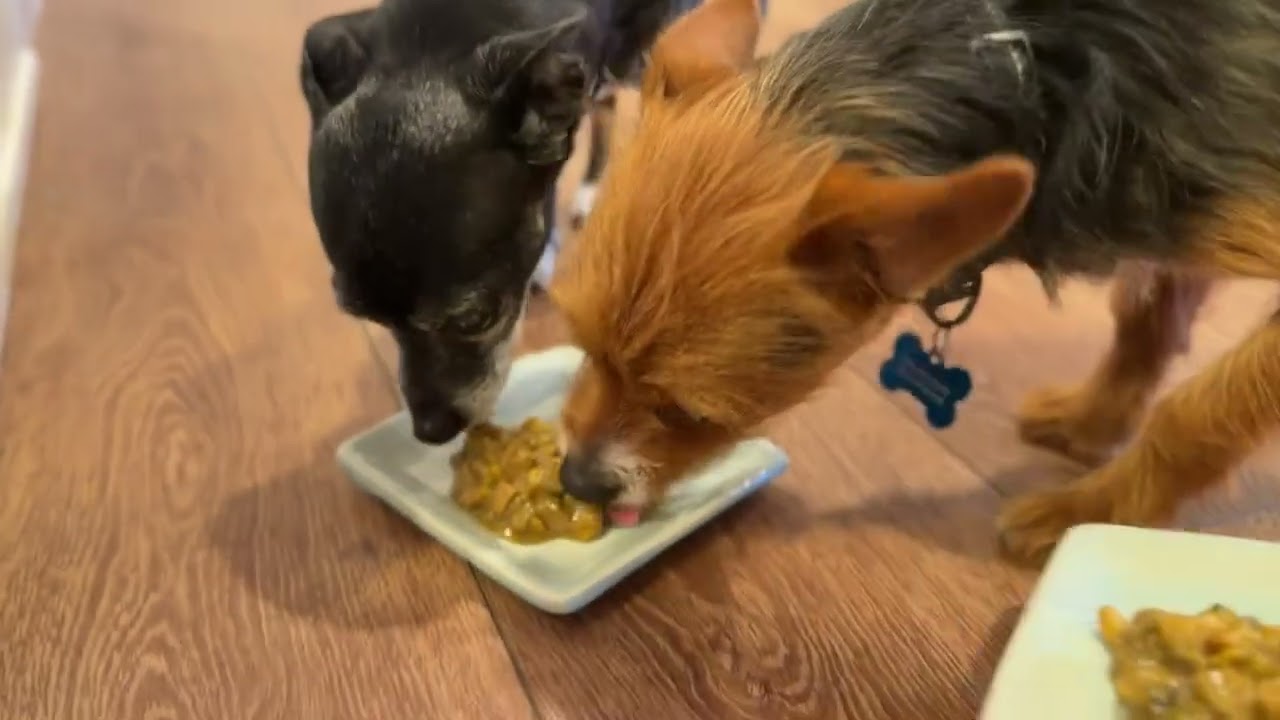
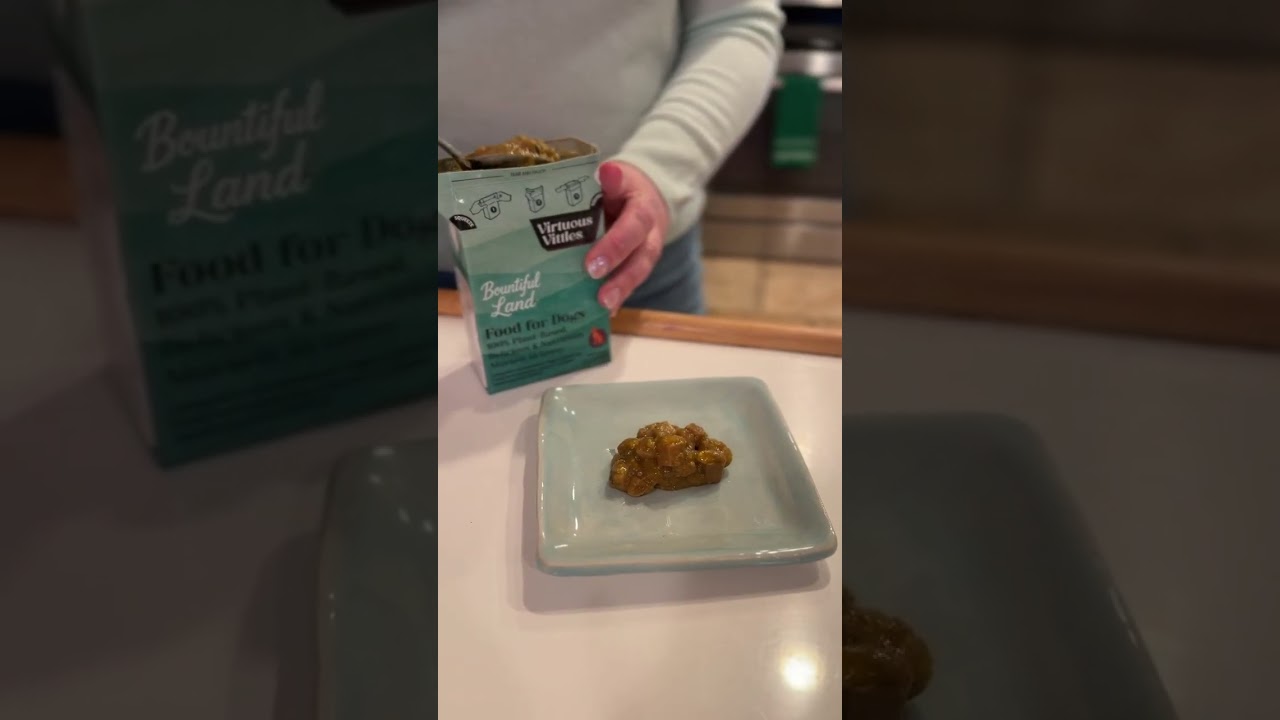
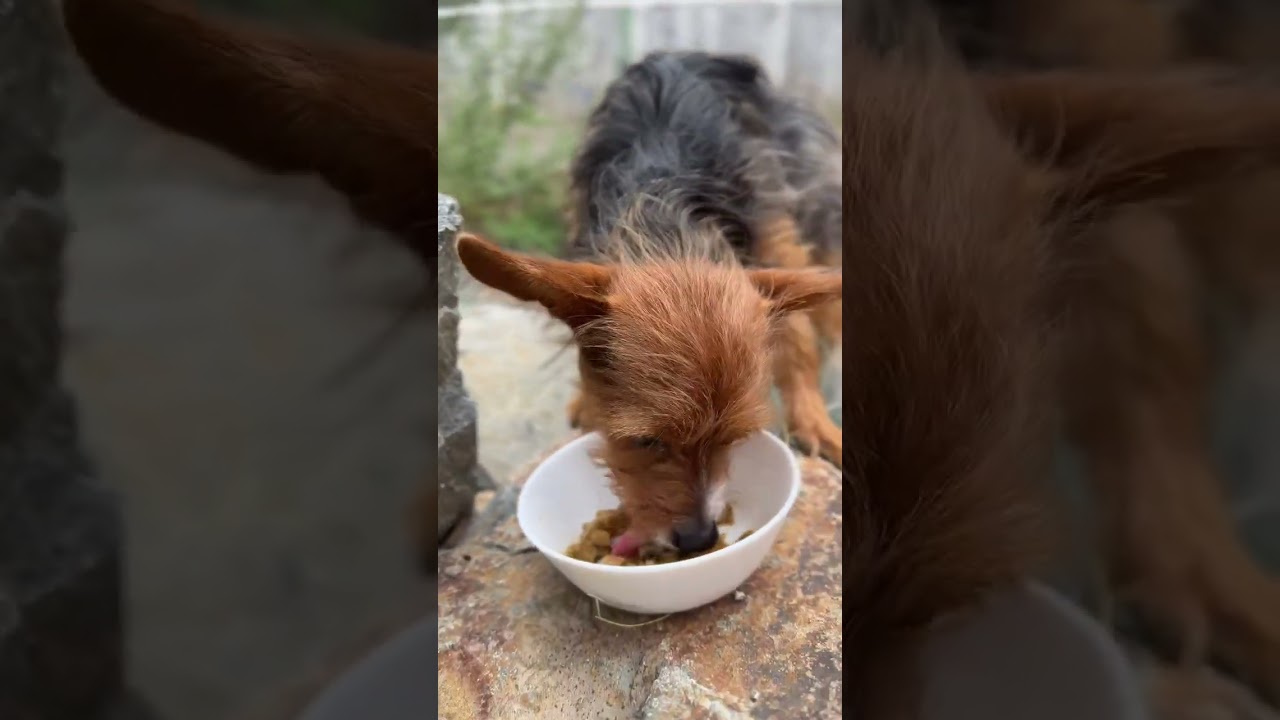
The flagship dog recipe, Bountiful Land™ Food for Dogs, is an adult maintenance formula formulated to support overall health while delivering optimal levels of protein, healthy fats, fiber, and all essential amino acids, vitamins, and minerals dogs need to thrive. Informal taste tests show nearly 10/10 dogs–including picky eaters–enthusiastically clean the bowl.
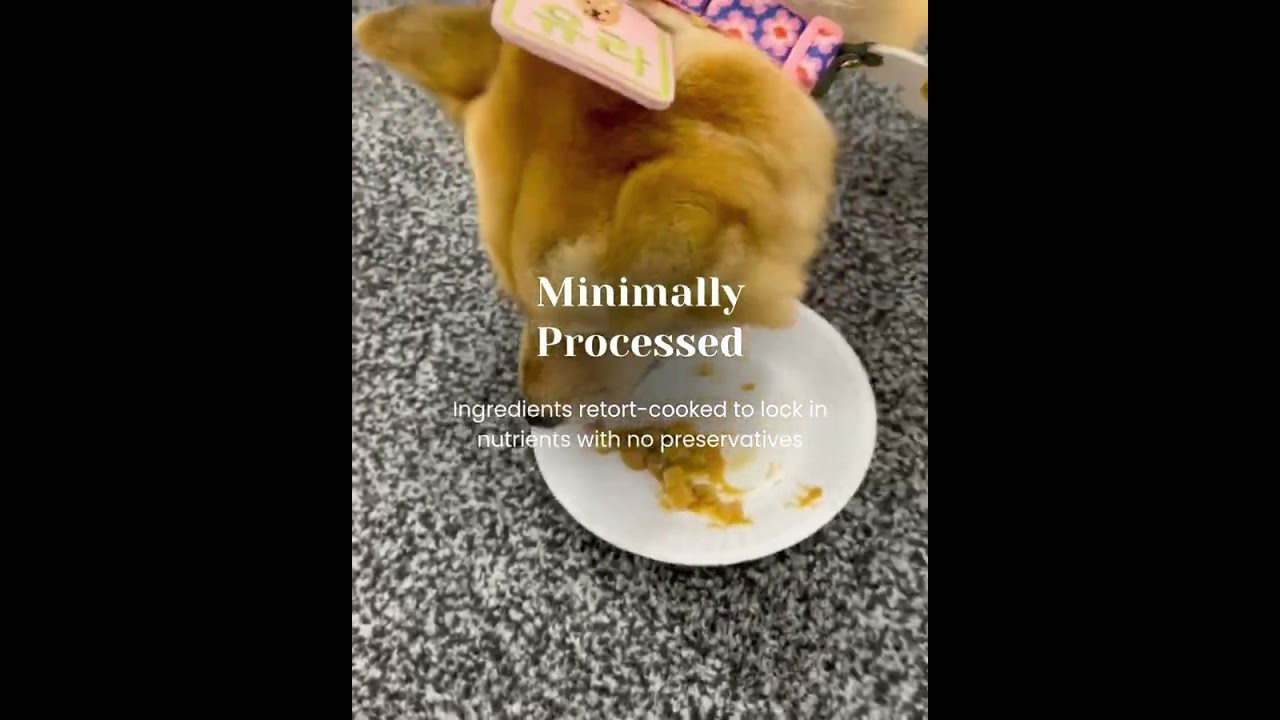
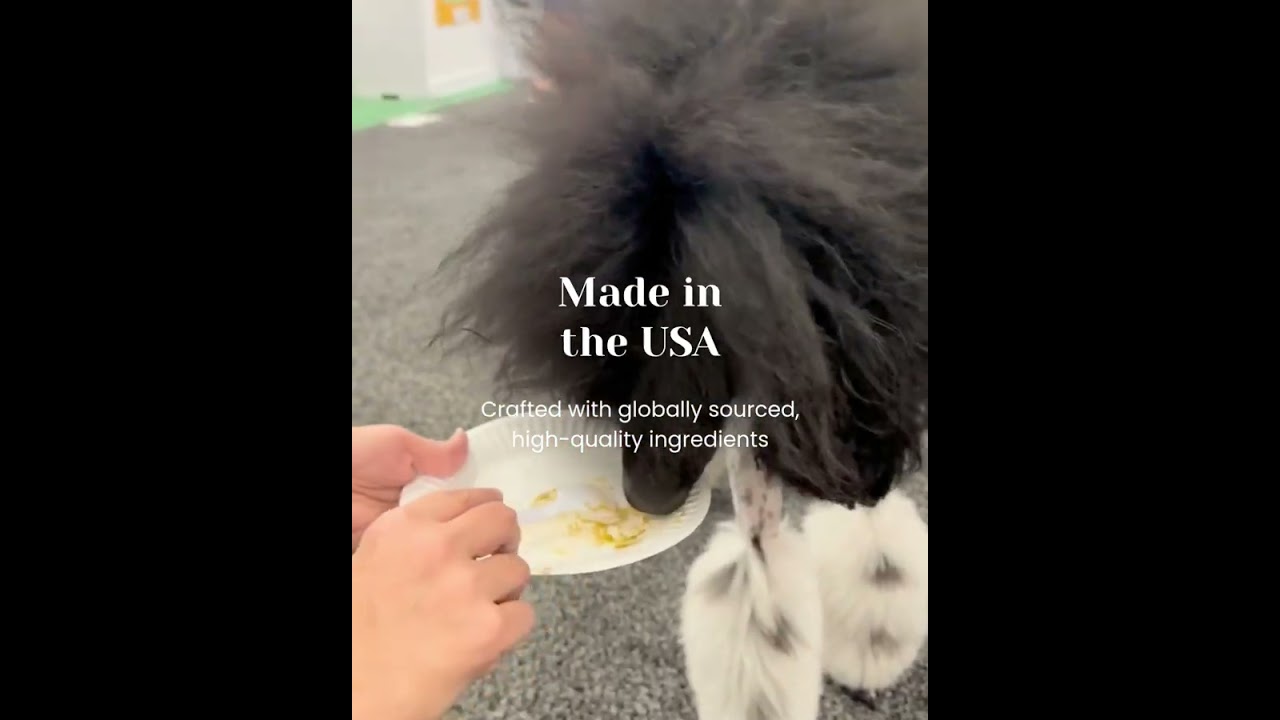
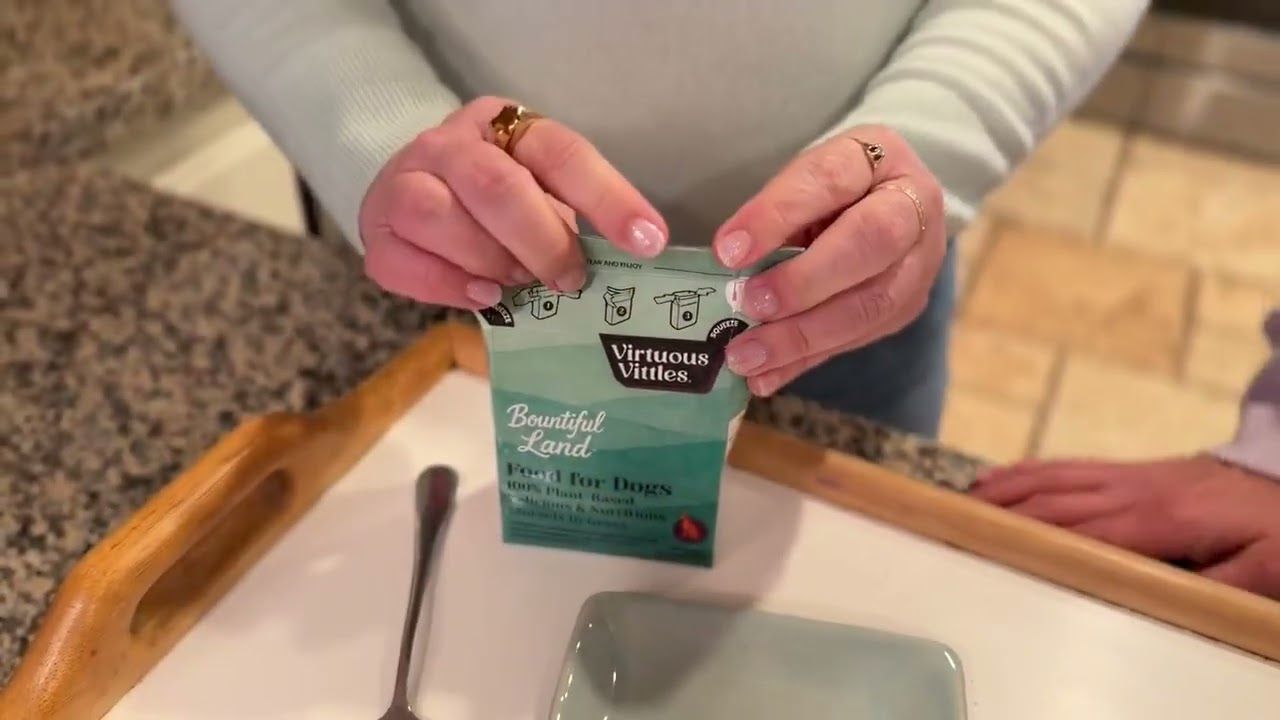
All Virtuous Vittles meals are made in the USA with globally sourced ingredients and packaged in shelf-stable, fully recyclable Tetra Recart® cartons. The retort-canning process locks in nutrients without the need for artificial preservatives, while the packaging is designed to reduce transportation emissions and resource use compared to conventional canned pet foods.
By combining evidence-based nutrition, thoughtful design, and 100% plant-based ingredients, Virtuous Vittles delivers food that supports companion animal health while offering guardians a more sustainable and ethical alternative to conventional meat-based pet food.
Founder Bios
Briana Schweizer
CEO & Co-Founder
Lisbeth Merrill
COO, General Council & Co-Founder
Briana Schweizer is the Co-Founder and CEO of Virtuous Vittles, a plant-based pet food company creating nutritious, delicious meals for dogs and cats. An artist and regenerative designer, she brings a background in marketing, creative leadership, and science-informed product development to her work. Known for weaving together scientific rigor and creative practice, Briana founded Virtuous Vittles to align taste, health, and values—and to help build a more empathetic, humane, and sustainable food system for companion animals.
Lisbeth Merrill is the Co-Founder of Virtuous Vittles, bringing decades of experience in intellectual property law, startups, and operations to the company’s foundation. A systems thinker committed to ethical innovation and long-term stewardship, Lisbeth helps translate values into durable structures—ensuring Virtuous Vittles is built with rigor, integrity, and scalability at its core.
Briana Schweizer is the Co-Founder and CEO of Virtuous Vittles, a plant-based pet food company creating nutritious, delicious meals for dogs and cats. An artist and regenerative designer, she has built her career creating strong visual and brand strategies for effective, emotionally resonant communication. At Firebrick, a Silicon Valley consulting firm, she is part of a team creating powerful positioning strategies for hundreds of technology companies. Concurrently she developed a rigorous practice of prototyping and experimentation through her work as a conceptual artist—applying systems thinking across mediums and ideas.
Plant-based since the age of twelve, Briana has become increasingly aware of the disconnect between her values and the meat-heavy diets she fed her companion animals. Guided by experimentation and collaboration with her own fur family, and by evidence-based nutrition, she founded Virtuous Vittles to help build a more empathetic, humane, and sustainable food future.
Lisbeth Merrill is the Co-Founder of Virtuous Vittles, a plant-based pet food company creating nutritious, delicious meals for dogs and cats. With more than two decades of experience in intellectual property law and early-stage companies, Lisbeth brings deep expertise in legal strategy, operations, and governance across a wide range of industries.
Motivated by a commitment to ethical innovation and long-term accountability, Lisbeth focuses on building the systems that protect ideas, ensure quality, and support sustainable growth. As a longtime friend and collaborator of co-founder Briana Schweizer, she joined Virtuous Vittles early to help transform a values-driven vision into a resilient, scalable company. Her work ensures that Virtuous Vittles’ mission—to create a more humane and sustainable food system—is supported by sound execution, thoughtful risk management, and structural integrity.
Nutritionist Bio
Dr. Sarah Dodd
BVSc, MSc, PhD, DECVCN
Dr. Sarah Dodd is one of a select group of board-certified veterinary nutritionists in North America whose research is dedicated to plant-based diets for companion animals.
She holds a Bachelor of Veterinary Science from Massey University in New Zealand, a Master of Science and a PhD in Clinical Studies from the University of Guelph, and is a Diplomate of the European College of Veterinary and Comparative Nutrition (DECVCN). She currently consults for private clients and the pet food industry through Dodd Veterinary Services.
Her body of work — spanning 15 peer-reviewed publications and counting, coauthor of a textbook, and numerous presentations at international conferences — represents the most comprehensive research program on plant-based companion animal nutrition in the published literature. Her studies have been cited over 360 times and span feeding practices, nutritional adequacy, metabolomics, microbiome analysis, digestibility, and owner-reported health outcomes.
At Virtuous Vittles, Dr. Dodd formulated our complete and balanced recipes to meet or exceed AAFCO nutrient guidelines using exclusively plant-based ingredients. Every batch is third-party tested against a full AAFCO panel.
Suggested Interview Questions & Brief Answers
Is plant-based food actually safe for dogs long term?
Yes — when it’s properly formulated. Multiple peer-reviewed studies show that dogs fed nutritionally complete plant-based diets maintain normal health markers, and some large owner-reported studies even suggest improved health outcomes and longer lifespan. What matters most isn’t whether nutrients come from plants or animals — it’s whether the final recipe is truly complete and balanced. That’s why Virtuous Vittles is formulated with a board-certified veterinary nutritionist and tested to ensure it meets AAFCO standards.
Aren’t dogs carnivores — how can a plant-based diet meet their biological needs?
Dogs aren’t carnivores — they’re nutritional omnivores. Genetic research shows dogs evolved multiple copies of genes related to starch digestion and carbohydrate metabolism, which distinguishes them from wolves. They’re really similar to humans in their nutritional needs. Like us, they need specific nutrients — amino acids, fatty acids, vitamins, and minerals — not meat specifically. Those nutrients can come from well-formulated plant sources just as effectively, and more cleanly, as from animal ones.
What does the science actually say about health outcomes for dogs on plant-based diets?
The growing body of research shows that dogs fed nutritionally complete plant-based diets maintain normal clinical health indicators, including body condition, blood markers, and energy levels. Large observational studies involving over a thousand dogs have also reported fewer health disorders and, on average, longer lifespans compared to dogs fed conventional meat-based diets.
What have studies shown about longevity in dogs fed plant-based diets?
One of the most compelling findings comes from a large guardian-reported study of over 1,400 dogs, which found that dogs fed nutritionally complete plant-based diets lived, on average, about a year and a half longer than dogs fed meat-based diets. While observational data has limitations, the consistency of these findings across health markers and lifespan is noteworthy and warrants serious attention.
What about cats?
Cats are obligate carnivores, which means their nutritional requirements are more specific and less flexible than those of dogs. Any plant-based food for cats must be carefully formulated with precise amino acid supplementation, including taurine. While emerging research exists, cats require a more cautious, science-first approach — and while the evidence is pointing to the same safety and some potential health benefits as in dogs, we’re very intentional about not overclaiming here.
Is this driven by ideology or evidence?
It’s driven by evidence. Virtuous Vittles was built by starting with the science — veterinary nutrition, genetics, and peer-reviewed research — and then asking how to make food that dogs actually enjoy eating. Values matter, but they don’t replace biology. Health, safety, and evidence-based formulation always come first.
Why is pet food such an overlooked part of the climate and sustainability conversation?
Most sustainability conversations focus on human diets, but we share our homes and grocery lists with many many dogs and cats . In the U.S., pets consume roughly a quarter of all meat, which translates into significant greenhouse gas emissions, land use, and water consumption. Pet food is a leading area where guardians can make a meaningful environmental impact even without significant personal changes.
How much difference can changing the protein source in pet food actually make?
A substantial one. Research from UCLA estimates that feeding pets meat in the U.S. generates around 64 million tons of CO₂-equivalent emissions annually. Because animal agriculture is highly resource-intensive, shifting protein sources from animals to plants delivers far greater environmental benefits than incremental improvements such as packaging or transportation optimizations.
Why does protein choice matter more than packaging or transport in pet food’s footprint?
Protein choice dominates environmental impact. Lifecycle analyses consistently show that animal-based proteins carry dramatically higher emissions, land use, and water requirements than plant-based proteins. While packaging and transportation improvements help, their impact is marginal compared to the environmental gains achieved by removing animal agriculture from the ingredient list altogether.
How did you make a plant-based food that dogs genuinely enjoy eating?
We designed this food in collaboration with dogs, not around human assumptions. Dogs respond first to aroma and texture, so we focused on a savory morsels-in-gravy format. Early taste tests showed enthusiastic acceptance–including from dogs described as picky eaters. We also found that dogs strongly preferred fresher foods and responded to ingredient quality, which is why we use whole-food, human-grade ingredients.
What sets Virtuous Vittles apart from other plant-based pet food brands?
It’s our unrelenting focus on crafting for deliciousness and craveability. The company combines animal-led taste testing with evidence-based formulation, delivering a shelf-stable, morsels-in-gravy format that’s the first of its kind in the plant-based pet food category.
What does “evidence-based nutrition” mean in practice at Virtuous Vittles?
It means starting with peer-reviewed research, veterinary guidance, and established nutritional standards. Our recipes are formulated with a board-certified veterinary nutritionist, designed to meet AAFCO requirements, and independently tested for nutrient completeness.
What about cats — are plant-based diets appropriate for them too?
Cats are obligate carnivores, means their nutritional requirements are more specific and less flexible than dogs. Any plant-based food for cats must be carefully formulated with precise amino acid supplementation, including taurine. While emerging research suggests similar safety and potential health benefits as seen in dogs, a cautious, science-first approach is essential, and we are careful not to overstate the evidence. But, yes, we believe that using nutritional data, carefully tailored formulations, and testing for nutrient values, we’ve formulated a healthy complete and balanced food for cats.
What personal contradiction led you to start Virtuous Vittles?
Briana speaking here. I’d been plant-based since I was twelve, and the biggest incongruency in my life was feeding my companions food that didn’t align with my values. I wanted an option that didn’t ask me to choose between caring for my animals and doing less harm — and that sent me down a deep research and experimentation path.
What surprised you most when you began looking closely at the science behind pet food?
How much of conventional pet food is driven by tradition and marketing rather than evidence. I was also surprised by how strong the data is around dogs’ ability to thrive on well-formulated plant-based diets — and how little of that information has made it into mainstream conversation. We often get questions about dogs being carnivores, which is itself actually a common misconception.
What do people most misunderstand about plant-based pet nutrition?
That it’s solely about ideology. In reality, it’s about biology and formulation. Dogs and cats don’t need meat — they need nutrients. When those nutrients–regardless of whether they come from plants or animals–are delivered in a complete, digestible form, our companions can thrive.
Quote Bank
“When plant-based diets are properly formulated, dogs don’t just do well —multiple studies show their health outcomes are equal or better than dogs on conventional meat diets. Recent research suggests dogs fed plant-based diets for several years lived, on average, about a year and a half longer.”
“Pet food is one of the most overlooked areas in the fight against climate change. Dogs and cats consume roughly a quarter of all meat in the U.S., which means what we feed our companions has real climate, land-use, and biodiversity consequences.”
“Dogs are nutritional omnivores, just like humans. What matters isn’t whether nutrients come from plants or animals — it’s whether the final recipe delivers complete, balanced nutrition in a form dogs can digest and thrive on.”
“Few personal choices matter more than what we feed ourselves. In several studies, reducing animal-product consumption ranks second, just behind having fewer children, in terms of climate impact.”
“From a sustainability perspective, the single biggest lever in pet food is removing animal protein. Being 100% plant-based reduces emissions and resource use far more than any packaging or logistics optimization ever could.”
“Virtuous Vittles isn’t about asking people to be perfect. It’s about making a better option easy — one that supports dogs’ health, aligns with people’s values, and still brings joy to the bowl.”
“I’d been plant-based since I was twelve, but the biggest contradiction in my life was feeding my companions food that didn’t match my values. I wanted an option that didn’t ask me to choose between caring for my animals and doing less harm.”
“Education changes everything. Once guardians understand that plant-based pet food can be evidence-based, nutritionally complete, and genuinely delicious, the conversation shifts from fear to confidence.”
Virtuous Vittles Product Images
Virtuous Vittles Videos
Playlist
0:14
0:16
0:22
0:09
0:13
0:19
0:07
0:10
0:22
0:13
0:07
0:40
0:18

0:05
0:24

0:35
0:18